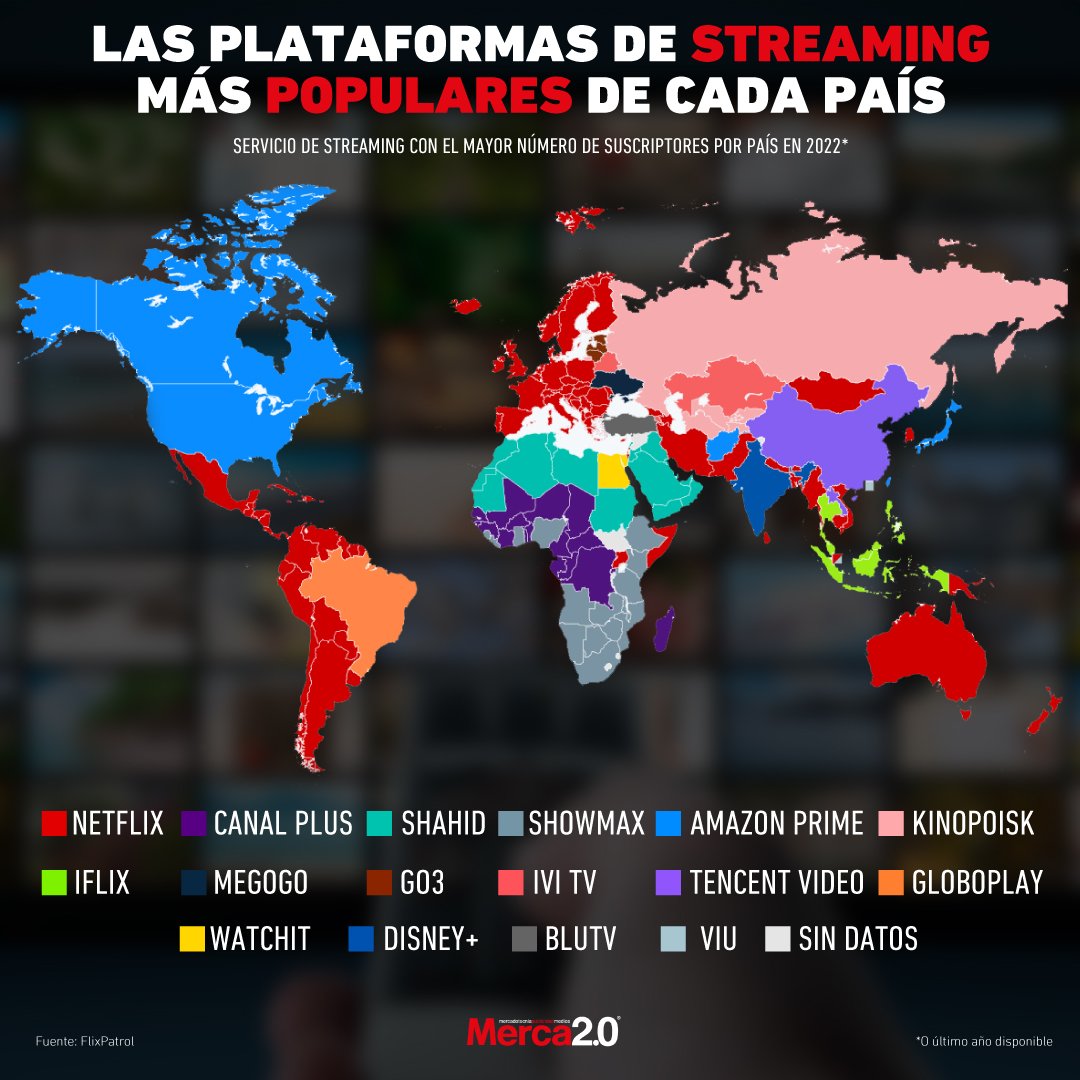
Access International Streaming Options Despite Geographic Restrictions Using VPN
It’s a common frustration in our globally connected world: you hear about a must-watch series, a gripping documentary, or a live sports event, only to find it’s unavailable in your region. This digital roadblock, often dubbed "geo-restriction," means your access to exciting entertainment is limited by your physical location. For anyone interested in expanding their "Opciones de Streaming Internacional y Restricciones Geográficas," this can feel like a constant battle. But what if there was a way to virtually teleport yourself to another country, unlocking a universe of content with just a few clicks?
Fortunately, there is. A Virtual Private Network, or VPN, acts as your digital passport, allowing you to bypass these frustrating geographic limitations and access international streaming options with surprising ease. This guide will walk you through exactly how a VPN works, what to look for, and how to start watching your favorite shows, no matter where they're officially broadcast.
At a Glance: Unlocking Global Streaming with a VPN
- What it does: A VPN changes your virtual location, making it appear as if you're browsing from a different country.
- Why you need it: To bypass geo-restrictions and access content catalogs from around the world (Netflix, Hulu, BBC iPlayer, etc.).
- Core benefits: Global content access, enhanced privacy, security, and avoidance of ISP throttling.
- Choosing wisely: Prioritize speed, server count, device compatibility, and user-friendliness.
- How to use: Subscribe, install, connect to a server in your desired country, and then open your streaming app.
- Troubleshooting tip: Clear browser cookies/cache or try a different server if you encounter issues.
Why Can't I Watch That? The Reality of Geographic Restrictions
Imagine signing up for your favorite streaming service, ready to dive into that critically acclaimed show everyone's talking about, only to be met with a "Content Not Available in Your Region" message. This isn't just an arbitrary annoyance; it's a deeply ingrained reality of the entertainment industry driven by complex licensing agreements, copyright laws, and distribution rights.
Streaming platforms like Netflix, Hulu, HBO Max, and Amazon Prime Video don't own the global rights to every piece of content they offer. Instead, they license specific shows and movies for specific countries or regions. A studio might sell the rights to a movie to one company in the U.S., another in Europe, and a third in Latin America. This patchwork of agreements creates digital borders, preventing you from accessing content outside your licensed area. Your IP address, a unique identifier assigned to your internet connection, acts as your digital address, informing these platforms exactly where you are and, consequently, what content they're permitted to show you. It's the primary mechanism behind "Opciones de Streaming Internacional y Restricciones Geográficas."
Without a way to mask or change this digital address, you're stuck within the confines of your local content library. This is where a VPN steps in, offering a powerful and elegant solution.
Your Digital Passport: How a VPN Unlocks the World
At its heart, a Virtual Private Network (VPN) is a service designed to create a secure, encrypted connection over public internet networks. Think of it as building a private, secure tunnel for your internet traffic. But for streaming, its most magical trick is its ability to route your internet connection through a server in a different geographical location.
When you connect to a VPN server in, say, the United States, your internet traffic goes through that U.S. server first. To any website or streaming service you visit, it appears as though your connection is originating from the U.S., effectively masking your true IP address and location. This manipulation of your perceived location is what allows you to bypass those stubborn geo-restrictions.
Let's break down the core advantages a VPN offers for streaming enthusiasts:
Access Global Content Catalogs: Your Borderless Entertainment Hub
This is the flagship benefit. With a VPN, the world's content libraries are suddenly within reach. Want to catch the latest season of a show exclusive to Hulu in the U.S.? Connect to a U.S. server. Eager to explore the deep archives of BBC iPlayer from outside the UK? A UK server is your key. From specific regional Netflix libraries to exclusive local sports broadcasts, a good VPN makes it possible to enjoy content that would otherwise be off-limits. It truly transforms your understanding of "Opciones de Streaming Internacional y Restricciones Geográficas" into a landscape of possibilities.
Bypass Restrictions and Censorship: A Freer Internet Experience
Beyond commercial licensing, some governments or local internet service providers (ISPs) impose content blocks or censorship. A VPN encrypts your connection and reroutes your traffic, making it incredibly difficult for third parties (including your ISP or government agencies) to monitor your online activity or block specific websites or services. This means you can circumvent these content blocks, accessing a more open and unrestricted internet, whether for streaming, news, or general browsing.
Enhance Security and Privacy: Protecting Your Digital Footprint
While global content access is the main draw for streamers, the inherent security and privacy benefits of a VPN are equally crucial. Every time you connect to the internet, your activities can potentially be tracked by your ISP, advertisers, or even malicious actors. A VPN encrypts your entire internet connection, scrambling your data so that it's unreadable to anyone trying to intercept it. It also hides your true IP address, making it much harder to trace your online activity back to you. This added layer of protection is vital, especially when using public Wi-Fi networks where security is often lax.
Avoid ISP Throttling: Stream Smoothly, Always
Have you ever noticed your internet speed mysteriously dipping when you start streaming a movie in high definition? This phenomenon, known as ISP throttling, occurs when your Internet Service Provider intentionally slows down your connection speed for certain types of traffic, often including streaming, during peak hours or if you've exceeded certain data limits. By encrypting your internet traffic, a VPN makes it impossible for your ISP to see what you're doing online. They can only see that you're connected to a VPN. Without knowing it's streaming activity, they can't selectively throttle your connection, potentially leading to smoother, buffer-free viewing experiences.
Choosing Your Streaming Ally: What to Look for in a VPN
Not all VPNs are created equal, especially when it comes to streaming. The market is saturated with options, and picking the right one is crucial for a frustration-free experience. Here's what to prioritize when selecting a VPN for accessing "Opciones de Streaming Internacional y Restricciones Geográficas":
Blazing Speeds for Buffer-Free Viewing
Nothing kills the mood faster than constant buffering. For high-definition streaming, speed is paramount. Look for VPNs that consistently rank high in speed tests and offer robust, uncongested servers. Many top-tier VPNs utilize advanced protocols and optimized networks specifically designed to minimize speed loss. Always check reviews and consider trial periods to test the speed yourself before committing to a long-term subscription.
A World of Servers at Your Fingertips
The more servers and geographical locations a VPN offers, the greater your access to diverse content catalogs. If you're aiming to watch a specific show in Japan, you'll need a VPN with reliable servers in Japan. If your interests span across North America, Europe, and Asia, a VPN with extensive global coverage is essential. A wide server network also means less congestion on individual servers, which can contribute to better speeds and reliability.
Compatibility Across Your Devices
Today, streaming happens everywhere: on your smartphone during your commute, on your tablet in bed, or on your smart TV in the living room. Ensure the VPN service you choose offers dedicated applications for all your primary streaming devices, including Windows, macOS, iOS, Android, Linux, and even smart TVs (via direct apps, router setup, or smart DNS). Look for user-friendly interfaces across all platforms. Many reputable VPNs allow simultaneous connections on multiple devices with a single subscription, which is a huge convenience.
Simplicity Wins: An Intuitive Experience
You don't need to be a tech wizard to use a VPN. The best services offer intuitive interfaces and straightforward setup processes. From easy-to-find 'connect' buttons to clearly labeled server locations, the VPN should enhance your streaming experience, not complicate it. A good VPN will allow you to connect to a server in your chosen country with just a couple of clicks, getting you to your content faster.
Your Step-by-Step Guide to Global Streaming
Ready to dive into the world of international entertainment? Here's how to use a VPN to bypass geographic restrictions:
1. Picking Your Champion VPN
Based on the factors above (speed, servers, compatibility, ease of use), select a reputable VPN service. Many offer free trials or money-back guarantees, allowing you to test their performance with your preferred streaming platforms. Do your research, read reviews, and choose a provider known for reliably unblocking streaming services.
2. Download and Install
Once you've subscribed, download the VPN application directly from the provider's official website or your device's app store. Installation is typically straightforward, much like any other software or app. Follow the on-screen prompts.
3. Log In and Connect to Your Desired Destination
Open the newly installed VPN application. You'll be prompted to log in with your account credentials. Once logged in, you'll usually see a list of server locations or a map. Browse through the available countries and select a server in the region where the content you want to watch is available. For example, if you want to access U.S. Netflix, choose a server in the United States. Click 'Connect'. The VPN will establish a secure connection, changing your virtual location.
4. Dive Into New Content
With your VPN connected, open your streaming platform (Netflix, Hulu, BBC iPlayer, etc.). If the connection is successful, you should now see the content catalog for the country you selected. For instance, connecting to a U.S. server and then opening Netflix should display the U.S. Netflix library. You can now browse and stream as if you were physically in that country. This is your gateway to "Opciones de Streaming Internacional y Restricciones Geográficas" unlocked! You might even find yourself wanting to Watch Chile vs Mexico U20 from a location where it wasn't originally available.
Navigating the Waters: Troubleshooting and Smart Practices
While VPNs are powerful tools, the relationship between streaming services and VPNs is a constant cat-and-mouse game. Here's what you need to know to ensure a smooth streaming experience:
When Things Don't Go as Planned: Troubleshooting Tips
Sometimes, despite connecting to a VPN, you might still encounter geo-restriction messages. Don't panic! Here are a few common fixes:
- Clear Browser Cookies and Cache: Streaming platforms often use cookies and cached data to remember your real location. Clearing these can remove old location data and allow the VPN to work its magic.
- Try a Different Server: If one server in a country isn't working, simply disconnect and try connecting to another server in the same country. VPN providers often have many servers, and some might be more effective at bypassing restrictions than others.
- Restart Your Devices: A simple reboot of your device and router can sometimes resolve connectivity issues.
- Check for IP Leaks: Use an online tool (like DNSLeakTest.com) to confirm your VPN is effectively hiding your true IP address. If it's leaking, contact your VPN provider's support.
- Contact VPN Support: Reputable VPN services offer 24/7 customer support. They're often aware of specific issues with certain streaming platforms and can provide tailored advice or recommend specific servers.
The Cat-and-Mouse Game: VPNs vs. Streaming Platforms
Streaming platforms are constantly working to detect and block VPN connections. They invest significant resources into identifying IP addresses belonging to VPN servers. When they identify a block of IP addresses as VPN traffic, they block access from those IPs. VPN providers, in turn, continuously update their server networks, introduce new IP addresses, and develop new technologies to circumvent these blocks. This ongoing battle is why a reliable, actively managed VPN service is essential. Free VPNs, often lacking the resources to keep up, are usually ineffective for streaming.
Understanding the Rules: Legality and Terms of Service
Using a VPN is legal in most countries around the world. However, some countries with highly restrictive internet policies (like China, Russia, or Belarus) have outlawed or heavily regulated VPN use. It's always wise to check the local laws if you are traveling to such regions.
Regarding streaming platforms, while using a VPN to access geo-restricted content is generally not illegal, it often violates the terms of service of the streaming platform itself. These terms typically state that you must only access content for which you have geographic rights. If a platform detects you're using a VPN, they might block your access or, in extreme cases, terminate your account. However, account termination for VPN use is rare; usually, you'll just be blocked from accessing the content until you disconnect the VPN or find a working server. The risk is typically low, but it's important to be aware of the contractual agreements.
Beyond Streaming: Other Perks of a VPN
While this guide focuses on "Opciones de Streaming Internacional y Restricciones Geográficas," remember that a VPN offers a host of other benefits that enhance your overall online experience:
- Public Wi-Fi Security: Encrypts your data on unsecured public networks, protecting you from hackers.
- Online Anonymity: Hides your IP address, making it harder for websites and advertisers to track your online behavior.
- Bypassing Price Discrimination: Some online retailers and services display different prices based on your location. A VPN can help you find better deals by changing your virtual region.
- Secure File Sharing: Provides a safer environment for torrenting and other peer-to-peer file sharing.
Making the Most of Your Global Entertainment
The world of streaming is vast and ever-expanding, but geographic restrictions can make it feel surprisingly small. By understanding how a VPN works and choosing a quality service, you transform your device into a portal to endless "Opciones de Streaming Internacional y Restricciones Geográficas." No longer will you be confined to your local library; instead, you'll have the power to explore new movies, series, and live events from virtually anywhere on the globe.
Invest in a reputable VPN, follow the simple steps outlined here, and prepare to elevate your streaming experience. The next time a friend mentions an incredible show only available in another country, you won't just hear about it – you'll be able to watch it. Happy streaming!