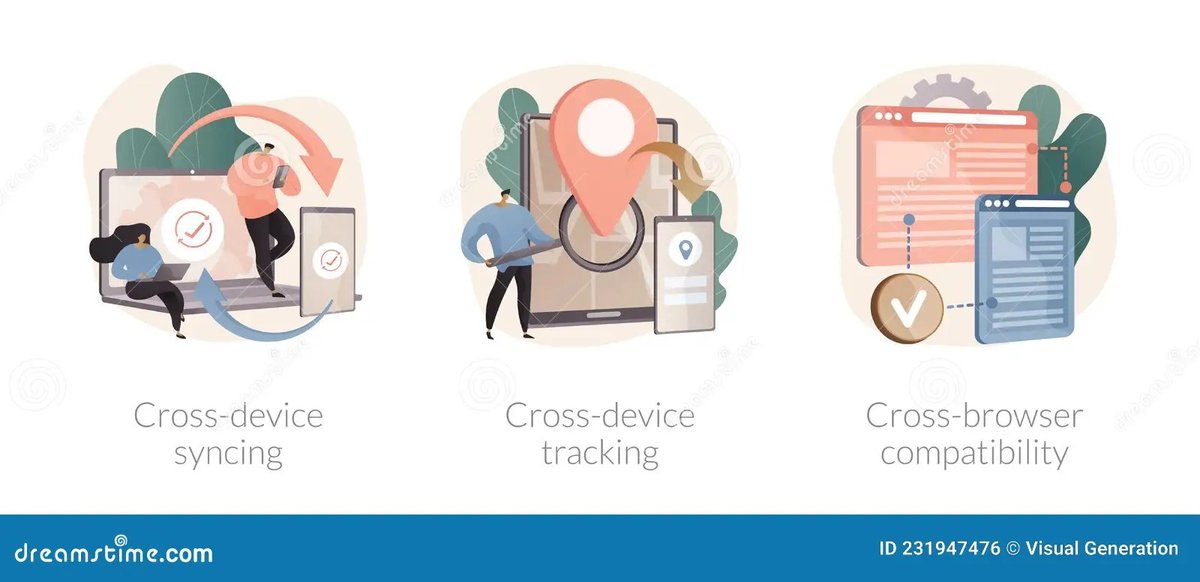
Mastering your technology isn't just about owning the latest gadgets; it's about ensuring they all work together seamlessly. This isn't always straightforward, which is why a solid understanding of Compatibilidad de Dispositivos y Guía de Configuración (Device Compatibility and Setup Guide) is your secret weapon. It’s the difference between a frustrating tangle of mismatched tech and a perfectly synchronized digital ecosystem that empowers you.
Forget the days of hoping your new printer "just works" with your decade-old laptop, or wondering if that shiny new graphics card will actually fit your motherboard. We're here to demystify device compatibility, offering you the knowledge to connect with confidence, troubleshoot with ease, and future-proof your tech investments.
At a Glance: Your Quick Guide to Device Harmony
- Compatibility is Key: It ensures seamless integration, reliable performance, security, and access to support.
- Two Main Types: Hardware compatibility (physical connections, component specs) and software compatibility (operating systems, drivers, applications).
- Research Before You Buy: Always check specifications for new devices, especially for major PC components like CPUs, motherboards, and RAM.
- Keep Everything Updated: Regularly update drivers, operating systems, and firmware (like BIOS) to maintain compatibility and performance.
- Official vs. Third-Party: While third-party products can work, official accessories often offer the best integration and support.
- Troubleshoot Smart: Common issues often stem from incorrect drivers, OS mismatches, or simple connection problems.
Why Compatibility Matters More Than Ever in Your Connected World
In our increasingly digital lives, where everything from smart home devices to high-performance gaming rigs connects and communicates, the concept of compatibility isn't just a technical detail—it's foundational. When your devices play nice, you unlock a world of smooth operations, enhanced productivity, and pure enjoyment. When they don't, you're faced with frustrating bottlenecks, security vulnerabilities, and wasted time.
Device compatibility, simply put, is the ease with which one device works alongside others, including third-party hardware and software. Think of it as the universal language your gadgets speak. Perfect integration means your devices don't just coexist; they collaborate. This leads to:
- Seamless User Experience: Files transfer effortlessly, peripherals respond instantly, and your entire system feels cohesive.
- Reliable Performance & Support: Compatible systems run more smoothly, are less prone to crashes, and receive consistent updates and technical assistance.
- Effective Resource Management: Your devices work efficiently, preventing unnecessary strain or performance degradation.
- Increased Security: A well-integrated system with up-to-date, compatible components is inherently more secure against vulnerabilities.
- Future-Proofing Your Investment: Choosing compatible and scalable devices now can save you significant headaches and expenses down the line.
Understanding the Core Pillars of Compatibility
To truly master your connections, you need to understand the two main categories where compatibility challenges typically arise: hardware and software.
Hardware Harmony: Ensuring Your Physical Components Play Nice
This is often where the most significant compatibility hurdles appear, especially when building or upgrading a PC. But it also applies to connecting peripherals like printers, monitors, and external drives.
PC Components: The Insides of Your Machine
When we talk about PC component compatibility, we're diving into the heart of your computer. As experts at Hardzone highlight, components that might look physically similar can differ greatly in performance and, crucially, in compatibility. This is where precision matters.
- The Motherboard: Your System's Central Hub
The motherboard is the linchpin; every other component connects to it. Its format, socket type, and chipset directly determine what CPU, RAM, and expansion cards (like GPUs) you can use. For instance, a motherboard with a PCIe 4.0 slot will limit a brand-new PCIe 5.0 SSD to PCIe 4.0 speeds, preventing you from getting the most out of your investment. - The Processor (CPU): The Brain of Your Operation
CPUs are incredibly socket-specific. Intel processors use LGA sockets (like LGA1700 for 12th, 13th, and 14th gen, or LGA1851 for newer Intel Core Ultra 200 series), while AMD uses AM sockets (AM4 for Ryzen 3000, AM5 for Ryzen 7000+). An Intel CPU simply won't fit an AMD motherboard, and vice versa. Furthermore, the motherboard's chipset must be compatible with your chosen processor, as it manages communication between the CPU and all other components. - RAM (Memory): Speed and Slot Specificity
RAM comes in different generations, primarily DDR4 and DDR5 currently. These aren't interchangeable. They have different physical formats—specifically, the notch position on the module—meaning a DDR4 module will not physically fit into a DDR5 slot, and a motherboard compatible with DDR4 cannot use DDR5. Your motherboard dictates the RAM type, and combining a DDR5-compatible processor with DDR4 RAM will lead to a significant performance hit. - Graphics Card (GPU): The Visual Powerhouse
Modern graphics cards connect to your motherboard via a PCIe x16 slot. For maximum performance, your GPU and motherboard's PCIe version should match (e.g., a PCIe 5.0 GPU on a PCIe 5.0 motherboard). While a PCIe 5.0 GPU will work on a PCIe 4.0 board, its performance will be limited, creating a bottleneck. Interestingly, a PCIe 4.0 GPU on a PCIe 5.0 board will operate at full capacity without issues. - Power Supply (PSU): The Unsung Hero
Often overlooked, the PSU is critical. It supplies power to all your components and acts as your system's first line of defense. Always choose a PSU with sufficient wattage for your graphics card, as specified by the GPU manufacturer, and ensure it has all the necessary connectors.
Peripherals & External Devices: Connecting Your World
Beyond the internal components, consider how external devices like printers, monitors, and various peripherals connect to your system.
- Ports and Standards: USB-A, USB-C, HDMI, DisplayPort, Thunderbolt, Ethernet—ensure your device has the necessary ports to connect to your peripherals. Converters and adapters exist, but direct connections are often more reliable.
- Third-Party Hardware: While using official peripherals and accessories (like HP's own lineup) generally guarantees the best performance and integration, third-party products are common. When venturing outside official brands, HP advises verifying hardware compatibility, updating your BIOS and firmware, and remembering that most reputable brands adhere to industry standards. For example, while non-HP ink cartridges can be used, original HP ink is recommended for optimal print quality and printer longevity.
Software Synchronization: The Digital Handshake
Even with perfect hardware, software mismatches can grind your operations to a halt. This pillar covers everything from your operating system to the smallest driver.
- Operating Systems (OS): The Foundation
Your device's native operating system plays a huge role in what other software and hardware it can interact with. For instance, some specialized hardware might only have drivers available for specific versions of Windows or macOS. Always check device specifications to ensure compatibility with your current OS. - Applications & Drivers: The Interpreters
Software applications need to be compatible with your OS. More critically, drivers are essential pieces of software that allow your operating system to communicate with your hardware. Outdated or incorrect drivers are a leading cause of device incompatibility issues. Tools like HP Support Assistant can help automate driver updates, and HP recommends checking for driver updates at least once a month. - The Role of Firmware:
Firmware is software embedded in hardware devices (like your motherboard's BIOS, a printer's internal software, or a GPU's VBIOS). Keeping firmware updated is crucial, especially when introducing new hardware, as it ensures the device can correctly recognize and manage its components.
Your Action Plan: Mastering Device Connections
Navigating the landscape of device compatibility doesn't have to be a guessing game. By adopting a proactive approach, you can ensure your technology works for you, not against you.
Before You Buy: The Research Phase
This is your most critical step. A little research upfront can save you hours of troubleshooting later.
- Check Specifications Meticulously:
Before purchasing any new hardware or software, dive into its technical specifications. For internal PC components, this means checking:
- Motherboard: Socket type, chipset, RAM slots (DDR4/DDR5), PCIe slot version (4.0/5.0), physical size (ATX, Micro-ATX).
- CPU: Compatible socket, power requirements.
- RAM: Type (DDR4/DDR5), speed (MHz), capacity.
- GPU: PCIe version, physical dimensions (will it fit your case?), power connectors.
- PSU: Total wattage, modularity, required connectors.
For peripherals, look for supported operating systems, required ports, and any specific software dependencies.
- Consult Manufacturer Guides:
Reputable manufacturers like HP provide extensive documentation. Their product pages, compatibility lists, and support articles are goldmines of information. Don't just skim the marketing materials; look for the detailed tech specs. - Consider the Ecosystem:
If you're already invested in a particular brand's ecosystem (e.g., Apple, HP, Samsung), consider sticking within it for key devices. While not always necessary, it often simplifies compatibility and integration.
During Setup: Connecting with Confidence
You've done your research; now it's time to bring your devices to life.
- Step-by-Step for New Hardware:
- Read the Manual: Yes, really. It provides critical, device-specific instructions.
- Physical Connection: Ensure cables are firmly seated in the correct ports. For internal PC components, follow the motherboard's manual for correct CPU, RAM, and GPU installation.
- Power On Sequence: Sometimes the order in which devices are powered on matters, especially for external peripherals.
- Software & Driver Installation Best Practices:
- Start with the OS: Ensure your operating system is fully updated before installing new hardware drivers.
- Official Sources Only: Download drivers directly from the manufacturer's official website (e.g., HP's support site for HP devices, Nvidia/AMD for graphics cards, Intel for chipsets). Avoid third-party driver sites, as they can host outdated or malicious software.
- Install in Order: For complex systems like PCs, it's often recommended to install chipset drivers first, then GPU drivers, and finally other peripheral drivers.
- Firmware Updates (BIOS/UEFI):
For new motherboards, or when installing new CPUs on older boards, updating the BIOS/UEFI firmware can be crucial. This often adds support for newer hardware and improves stability. Follow your motherboard manufacturer's specific instructions precisely for this process, as a botched BIOS update can "brick" your motherboard.
Ongoing Maintenance: Keeping Things Running Smoothly
Compatibility isn't a one-and-done deal. It requires continuous attention to ensure your devices remain in sync. To enjoy a hassle-free digital life, where you can easily watch Chile U20 vs Mexico U20 on your perfectly connected home theater, ongoing maintenance is essential.
- Regular Updates (Drivers, OS, Apps):
As new threats emerge and technology evolves, manufacturers release updates. Make it a habit to:
- Check for OS Updates: Enable automatic updates for your operating system (Windows, macOS).
- Update Drivers: Use tools like HP Support Assistant, or manually check manufacturer websites monthly.
- Update Applications: Keep your core software up-to-date for new features, security patches, and continued compatibility.
- Troubleshooting Common Compatibility Issues:
When things go wrong, start with these quick checks:
- Drivers: Is the correct, most recent driver installed for the device? Try uninstalling and reinstalling it.
- Operating System: Does the device specify compatibility with your exact OS version?
- Wireless Connectivity: Ensure WiFi settings (network name, password, security protocol) match precisely. For Bluetooth, ensure devices are in pairing mode.
- Peripherals: Try a different port on your computer or a different cable. Test the device on another computer if possible to isolate the issue.
- Power: Is the device powered on and receiving sufficient power?
- Managing Older Devices:
Keeping older HP devices compatible primarily involves keeping their software and firmware updated. However, there comes a point where hardware upgrades might be necessary, as newer software and peripherals may simply not support very old hardware.
Deep Dive: PC Component Compatibility Explained (Leveraging Hardzone Insights)
Let's reiterate and expand on the critical PC components, as this is where compatibility choices have the most profound impact on performance and wallet.
Motherboard: The Central Nervous System
As the "nervous system," the motherboard dictates almost everything. Its socket determines your CPU choice. Its chipset enables communication. Its RAM slots (DDR4 or DDR5) dictate your memory type. The number and version of its PCIe slots (e.g., PCIe 4.0 vs. PCIe 5.0) will impact your graphics card and high-speed SSD performance. Always verify these details.
CPU Sockets & Chipsets: Intel vs. AMD
This is a fundamental fork in the road. You must match your CPU to the correct motherboard socket.
- Intel's LGA Sockets: LGA1700 supports 12th, 13th, and 14th gen processors. LGA1851 is for upcoming Intel Core Ultra 200 series.
- AMD's AM Sockets: AM4 supports older Ryzen 3000 series. AM5 is for Ryzen 7000 series and newer.
These sockets are physically incompatible. A CPU designed for one cannot fit a motherboard designed for the other. The chipset on the motherboard also needs to be compatible with your chosen CPU, influencing feature sets and performance.
RAM: DDR Generations & Physical Incompatibility
DDR4 and DDR5 RAM are entirely different. They are not only electronically incompatible but also physically. The "notch" on a DDR4 module is in a different position than on a DDR5 module, preventing you from accidentally installing the wrong type into a motherboard slot. This means a motherboard that supports DDR4 will never support DDR5, and vice versa. Always check your motherboard's specifications for the supported RAM type. Trying to combine a newer, DDR5-compatible processor with an older DDR4 RAM will inevitably lead to suboptimal performance.
Graphics Cards & PCIe Slots: The Performance Link
Modern GPUs use a PCIe x16 slot. While backward compatible, the PCIe version matters for performance.
- A PCIe 5.0 GPU on a PCIe 4.0 motherboard will operate, but its bandwidth will be capped at PCIe 4.0 speeds, potentially bottlenecking the GPU.
- A PCIe 4.0 GPU on a PCIe 5.0 motherboard will run at its full PCIe 4.0 speed without issues.
For maximum performance from high-end GPUs, ensure your motherboard's PCIe slot version matches or exceeds your GPU's.
Power Supply: The Unsung Hero
Never underestimate the PSU. It's not just about turning your computer on; it's about providing stable, clean power to all components. Consult your GPU manufacturer's recommendations for minimum PSU wattage. An underpowered PSU can lead to system instability, crashes, and potentially damage components. Also, ensure the PSU has all the necessary power connectors for your GPU and other devices.
Beyond the Basics: Future-Proofing Your Tech
Compatibility isn't just about what works today; it's about preparing for tomorrow.
- Adopting Emerging Technologies: Keep an eye on new standards like Wi-Fi 7, Thunderbolt 5, or PCIe 6.0. While you don't need to jump on them immediately, understanding their implications can guide future purchasing decisions.
- Opt for Scalable Hardware: When building or buying a system, consider components that offer room for future upgrades. For instance, a motherboard with a newer CPU socket that will support future processor generations, or one with extra RAM slots and multiple M.2 NVMe slots.
- Stay Informed About Updates: Technology moves fast. Regularly reading tech news, manufacturer announcements, and expert reviews can help you anticipate compatibility shifts and make smart decisions.
Frequently Asked Questions About Device Compatibility
Here are quick answers to some common questions that often arise.
Can I use non-HP ink cartridges in my HP printer?
Yes, you generally can use non-HP ink cartridges. However, HP recommends using original HP ink for the best print quality, reliability, and to protect your printer's components. Using third-party ink might void certain aspects of your printer's warranty if it causes damage.
What happens if my GPU's PCIe version doesn't match my motherboard's?
If your GPU (e.g., PCIe 5.0) has a higher PCIe version than your motherboard (e.g., PCIe 4.0), the GPU will operate at the slower PCIe 4.0 speeds. It will still work, but you won't get the full performance potential from your GPU, creating a bottleneck. If the motherboard has a higher PCIe version than the GPU, the GPU will run at its maximum rated speed without issues.
How often should I update drivers?
HP recommends checking for driver updates at least once a month. For critical components like graphics cards, updating drivers more frequently (e.g., when a new game is released or a performance patch is issued) can be beneficial.
Can I mix DDR4 and DDR5 RAM in my computer?
No, you absolutely cannot. DDR4 and DDR5 RAM modules are physically and electronically incompatible. They have different pin configurations and notch placements, meaning a DDR4 module will not fit into a DDR5 slot, and vice versa. Your motherboard is designed to support only one type of DDR memory.
Is it safe to update my BIOS/firmware?
Updating BIOS/firmware can be crucial for new hardware compatibility and system stability, but it carries a small risk. Always follow the manufacturer's instructions exactly and ensure a stable power supply during the process. If unsure, consult an expert.
Your Next Step: Building a Seamless Digital Life
The world of Compatibilidad de Dispositivos y Guía de Configuración might seem daunting, but it's fundamentally about empowering you. By understanding the core principles, dedicating a little time to research, and adopting good maintenance habits, you transform from a reactive problem-solver into a proactive technology master.
You're now equipped to make informed choices, connect your devices with confidence, and build a truly seamless digital life that supports all your passions—from work to streaming your favorite sports. So go ahead, build that dream PC, set up that smart home, or connect that new peripheral. You've got this.